
Feral Animal Management
Better management of feral animals will reduce the severity of erosion, damage to fresh water areas and the spread of weeds. There are no simple solutions which are also effective, but our rangers are developing the knowledge and skills to use tools that are available to map where the most severe damage is occurring to allow them to target places of greatest concern.
Because the problem is so big, we focus on the worst affected areas. Freshwater places where we have springs, creeks and wetland areas are most affected by the pests and removing ferals is an important part of our project to improve our freshwater.
The most effective way to control invasive species is through Integrated Pest Management, using a number of different approaches to control the animals. In order to do this we are growing our skills in building and managing animal traps and using safe baiting techniques. We are also investing in training our rangers to be skilled and qualified marksmen so they can safely and humanely control animals with firearms
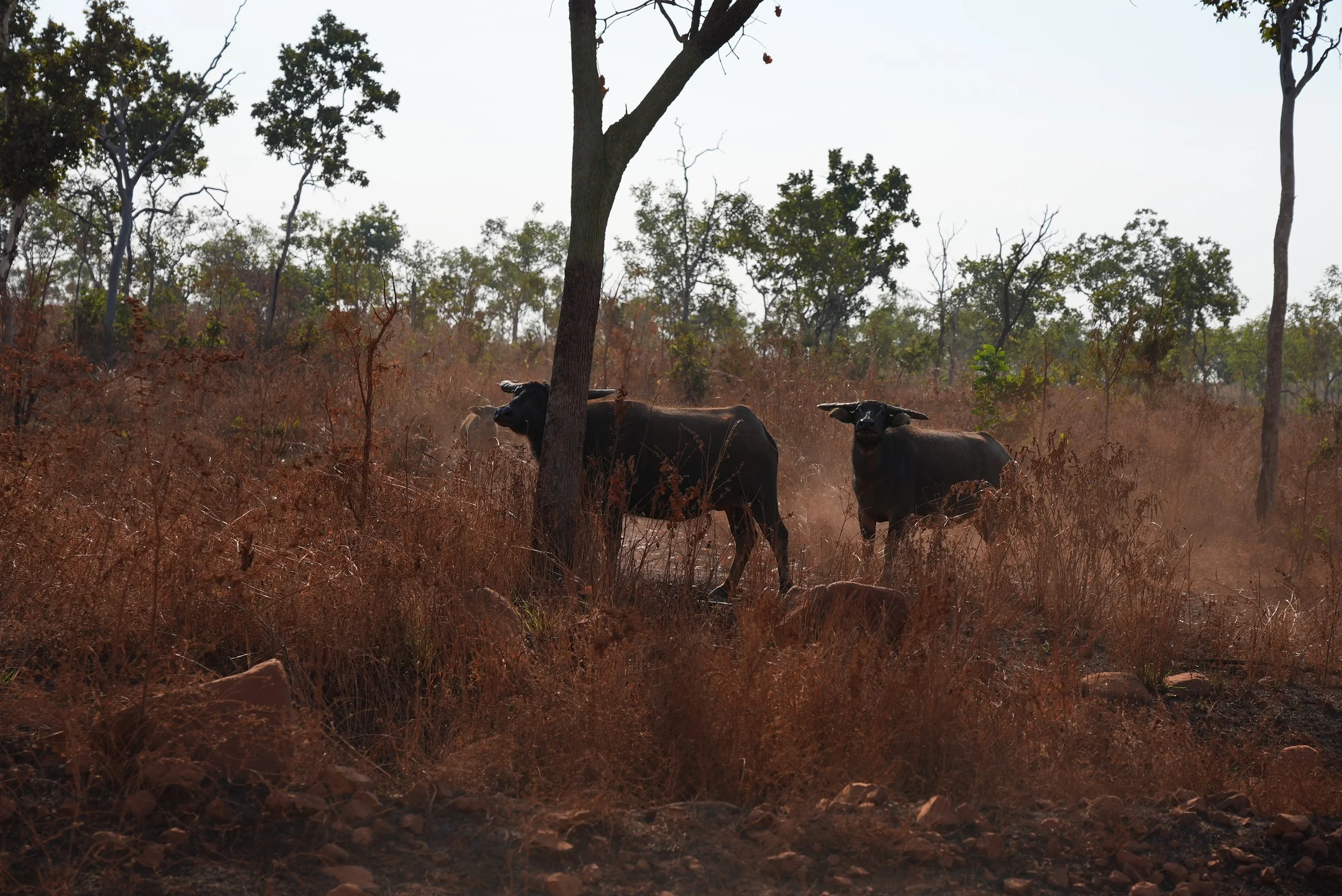
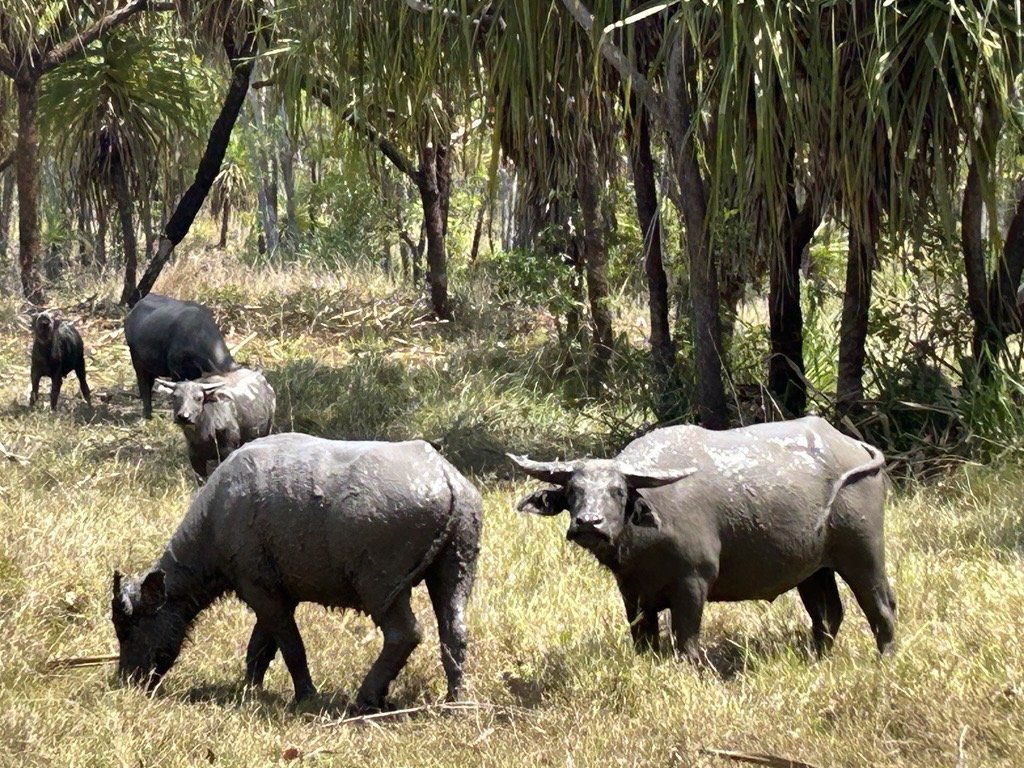
Many national parks and conservation agencies have regular, broad scale destocking programs of big, grass-eating herd animals. However within the Mimal IPA where buffalo have been mustered for than 20 years, there are seasonal jobs and royalty money for some clans attached to these animals which is good for our local economy.
We are currently working to find ways that we can work with landowners and commercial companies so we can continue to get economic benefits while improving management and reducing damage. Mimal wants to help landowners get the right balance between caring for country, making money and creating more jobs on country, to do this we are exploring a number of different approaches and consulting heavily with landholders to ensure the best outcomes.
While large mammals create the most visible damage to the landscape, Mimal Rangers, are in a strategic position to provide cost-effective monitoring for pests and diseases which are found in countries to the North of Australia but not within our borders such as lumpy skin disease, avian influenza and African swine fever. Partnerships, special training and fee-for-service contracts with the Department of Agriculture Fisheries and Forestry and the Top Watch program benefit local people and the nation. Due to the amount of time that Mimal Rangers spend on country they are some of the best people to have doing this work as they are most likely to notice when something does not look right.
PestSmart provides best practice information on how to plan, manage and improve pest animal control programs in Australia.

Damage Control
3,225 views Sep 13, 2021 #ABCNewsAustralia #ABCNews
It's costing Aboriginal ranger groups across Australia's Northern Territory hundreds of thousands of dollars to track down feral buffalo that are damaging waterways. Scientists are working on a high tech solution to catch and remove herds, using satellites to tag and monitor their movement..
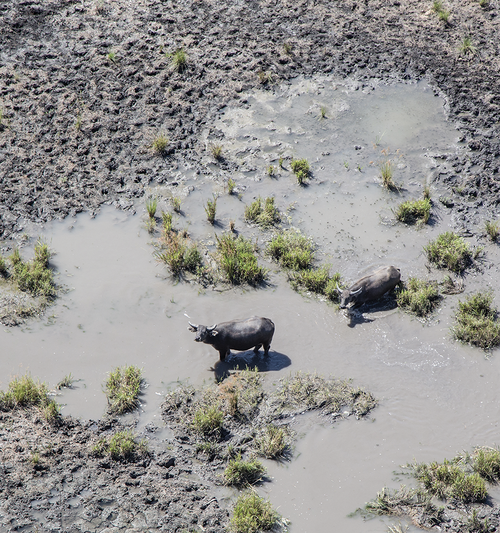
Buffalo: Buffalo make a big mess in and around water, fishing and hunting places. Many people have told us buffalo also stop them from using special places for hunting because they are frightened of cheeky buffalo. One of our rangers doing early burning had a lucky escape when chased by a buffalo in 2016.
Horses and Donkeys: Horses and donkeys have been on our lands for a long time. We have grown up seeing them as part of the country. But when there are too many they can damage some country very badly. While less damaging than buffalo, horses and donkeys do harm the landscape and help to spread invasive weeds.
Feral Pigs: Pigs are badly damaging freshwater areas. They wallow and root around the edges of creeks, swamps, billabongs and springs, fouling the water and destroying the vegetation that prevents erosion and provides food and nesting sites for native wildlife. Pigs spoil our special places, our sources of fresh water and make us feel unsafe when we want to take families camping and fishing on country.
Feral Cats: Wild cats are a very big threat to our native birds and small animals. They love to hunt on plains country and will travel long distances to follow fire as they hunt. In many places small animals like bush mice and rats have disappeared altogether. Cats kill our blue tongues and other lizards. We can use camera traps to monitor numbers and use satellite-tracking collars to monitor their movements, but little is known about how to make a big reduction in their population. Some groups have trialled fences to create cat-free areas and scientists are investigating if dingoes scare cats away.